
.png)


.jpg)
.jpg)
.jpg)

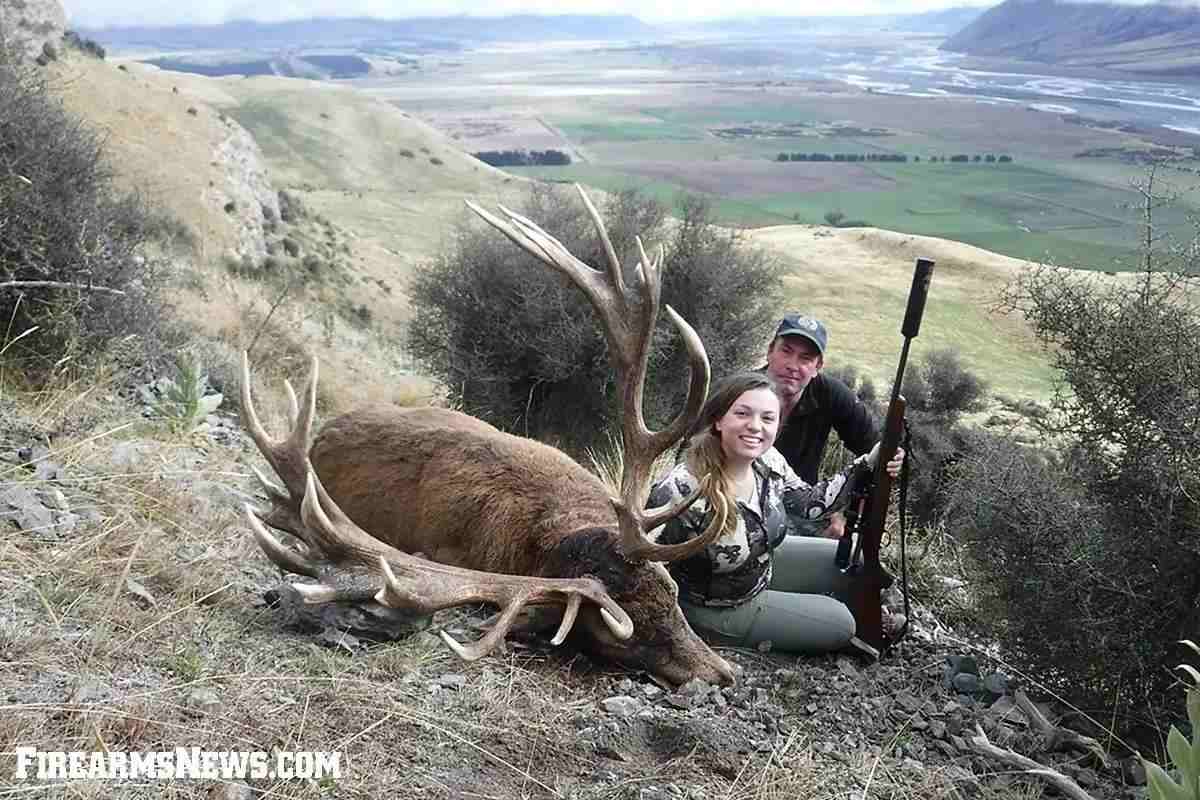
Image Above: Caroline Boddington and New Zealand outfitter Chris Bilkey with a fine red stag, taken with Bilkey’s Sako in 7mm-08. One 140-grain Remington Core-Lokt at about 150 yards. (Photo by Craig Boddington)
By Craig Boddington
Originally published on Firearmnews.com
Based on the .308 Winchester case necked down, Remington introduced its 7mm-08 in 1980. I was the new junior editor at Guns & Ammo, and one of my first assignments was to do a field test on the inexpensive Remington M788 in the brand-new 7mm-08.
My friend and colleague Payton Miller and I worked on the story together. Although rear-locking, the 788's action was a massive chunk of rigid steel, unlovely but famous for accuracy. The new 7mm-08 didn't disappoint and shot great groups. Payton and I made a couple of forays up the Central Coast, trying to get a pig with the new cartridge.
Usually we batted about 50 percent, but we failed with the 7mm-08. It would have made a better story if we'd had a big boar to go with it. It was probably a lukewarm story anyway because, despite excellent groups, I didn't understand the 7-08. By 1980, I was already a 7x57 fan. The 7-08's ballistics were almost identical and seemed like reinventing the wheel.
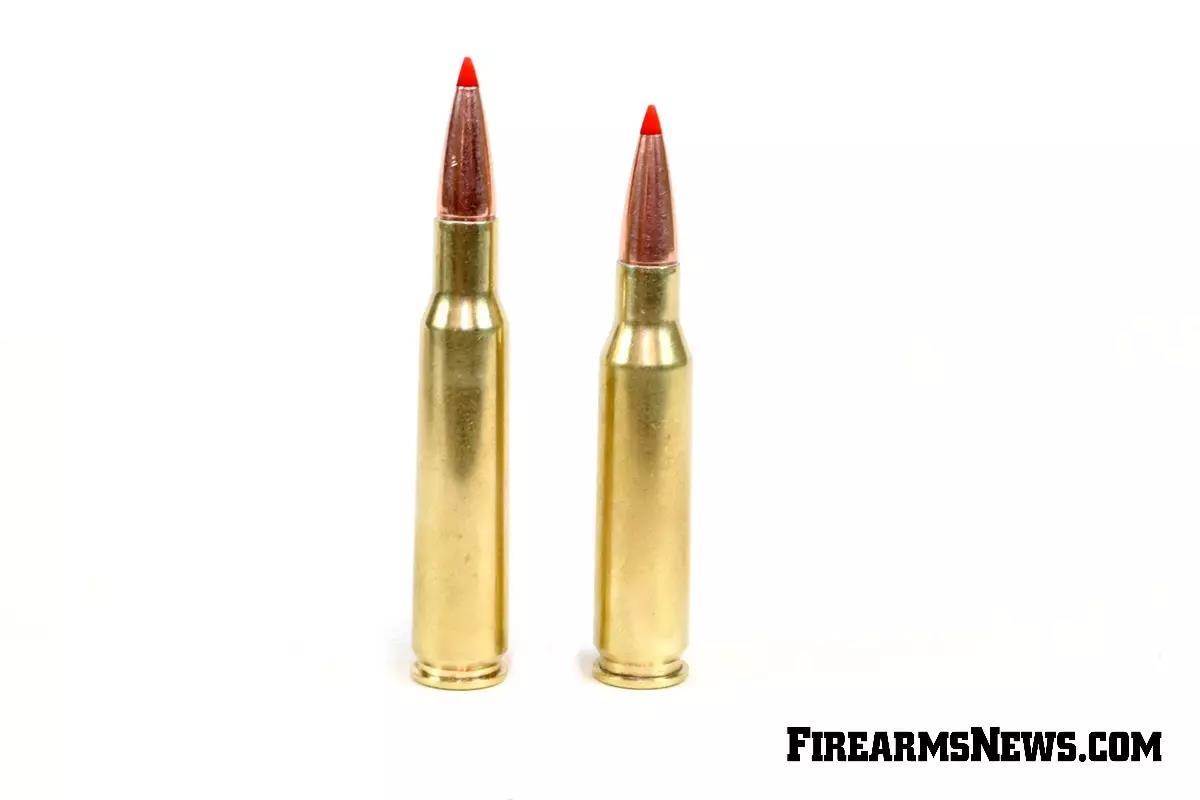
The 1892 7x57 Mauser was the first 7mm (.284-inch) bullet cartridge, soon adopted by Spain and eventually by a dozen countries. These included the Boer republics in South Africa. American troops faced the 7x57 in the Spanish-American War, and the British faced it in the Second Boer War. In Cuba, the 7x57 held up well against our .30-40 Krag. In South Africa, the 7x57 held up even better against the British .303. After both wars, the 7x57 became a popular sporting cartridge throughout the English-speaking world.
Advertisement
In 1899, Mauser's British agent, John Rigby, renamed it .275 Rigby for the British market. In America, the 7x57 was popular through the 1940s and still retains a small but dedicated following. As the .275 Rigby, it became a legend throughout the British Empire. It was the favorite of ivory hunter W.D.M. "Karamoja" Bell and was also used by Jim Corbett, the most famous hunter of India's man-eating tigers and leopards. In 1980, it seemed to me the 7mm-08 was an imposter, imitating 7mm performance that had been around for 88 years.
The 7-08 has a 2.035-inch case. The 7x57 has a longer 2.235-inch case with slightly greater capacity. Although the 7-08's shorter case is more efficient, the 7x57 should be capable of at least equal velocity.
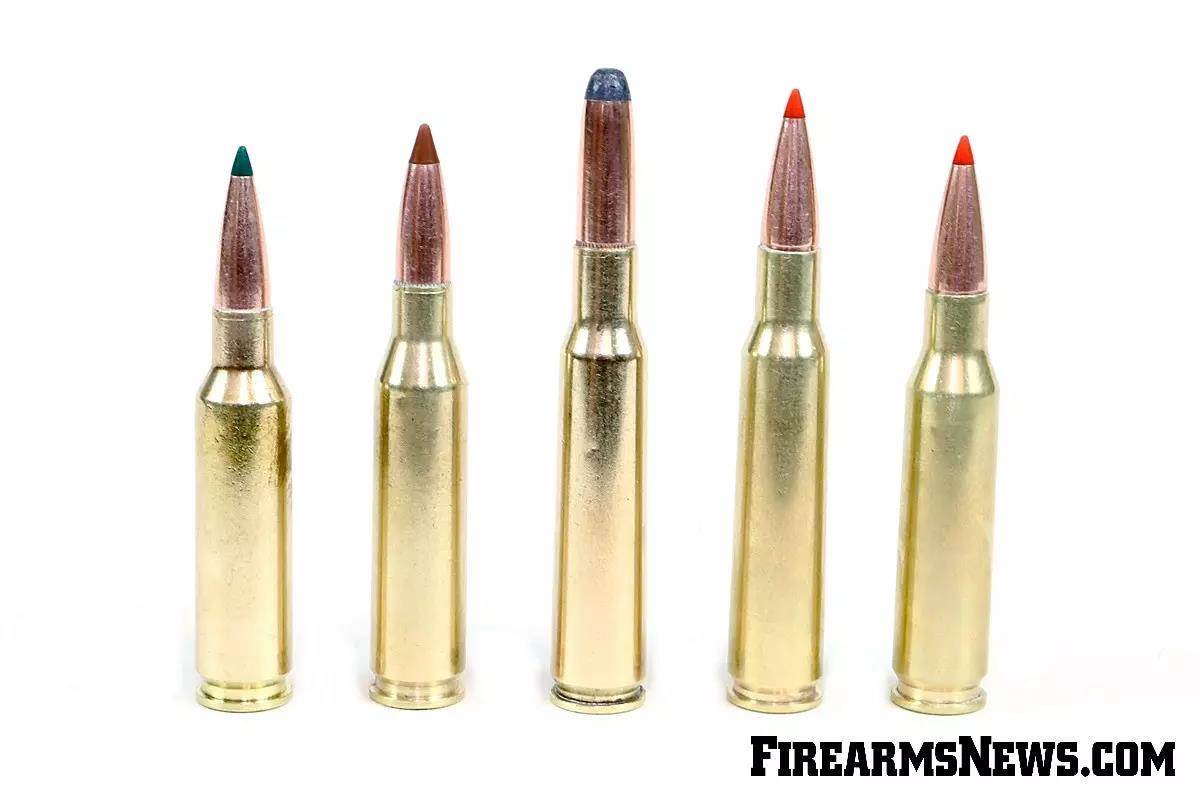
The 7-08's standard 140-grain load is rated at 2,860 fps. In 1980, reloading manuals were more aggressive. My 7x57 handloads exceeded 7-08 velocities. This contributed to my lack of enthusiasm for the new cartridge. What I failed to understand is that the playing field is not level. As with many older cartridges—chambered in older rifles—the 7x57 is held to lower pressure. Our governing body for such things, the Sporting Arms and Ammunition Manufacturers' Institute (SAAMI), limits the 7x57 to 51,000 psi. The 7-08 is loaded to 61,000 psi.
Advertisement
Current manuals similarly limit load recipes for the 7x57. The loads I was using 40 years ago aren't in print today (and shouldn't be). So, bullet for bullet, the 7x57 lags 100 to 200 fps behind the 7mm-08. Much the same as the difference between the .308 and .30-06. No game animal will know the difference, but the 7-08 gets the nod as the faster cartridge.
More significant: The 7-08 is a short-action cartridge. As a lefty, this has never meant much to me. In 1980, there was no such thing as a short left-hand bolt-action. Even today, they're scarce. However, I understand the value: lighter action and shorter bolt throw.
In this regard, the 7x57 is a loser. In 1900, when smokeless-powder cartridges—and actions to house them—were new, there were actions sized to the 7x57 and its brethren. Today, the .308 Winchester cartridge family defines the short action, while the .30-‘06 defines the standard-length action. The 7x57 is usually housed in .30-‘06-length actions. Functioning is fine, but action length and bolt throw are needlessly long.
Within a year after that first 7-08 story, Payton and I joined the late Chub Eastman, then with Nosler, for a hog hunt at Dye Creek Ranch in Northern California. Chub had Nosler's first polymer-tipped bullet, a 140-grain .284-inch projectile loaded in a 7mm-08.
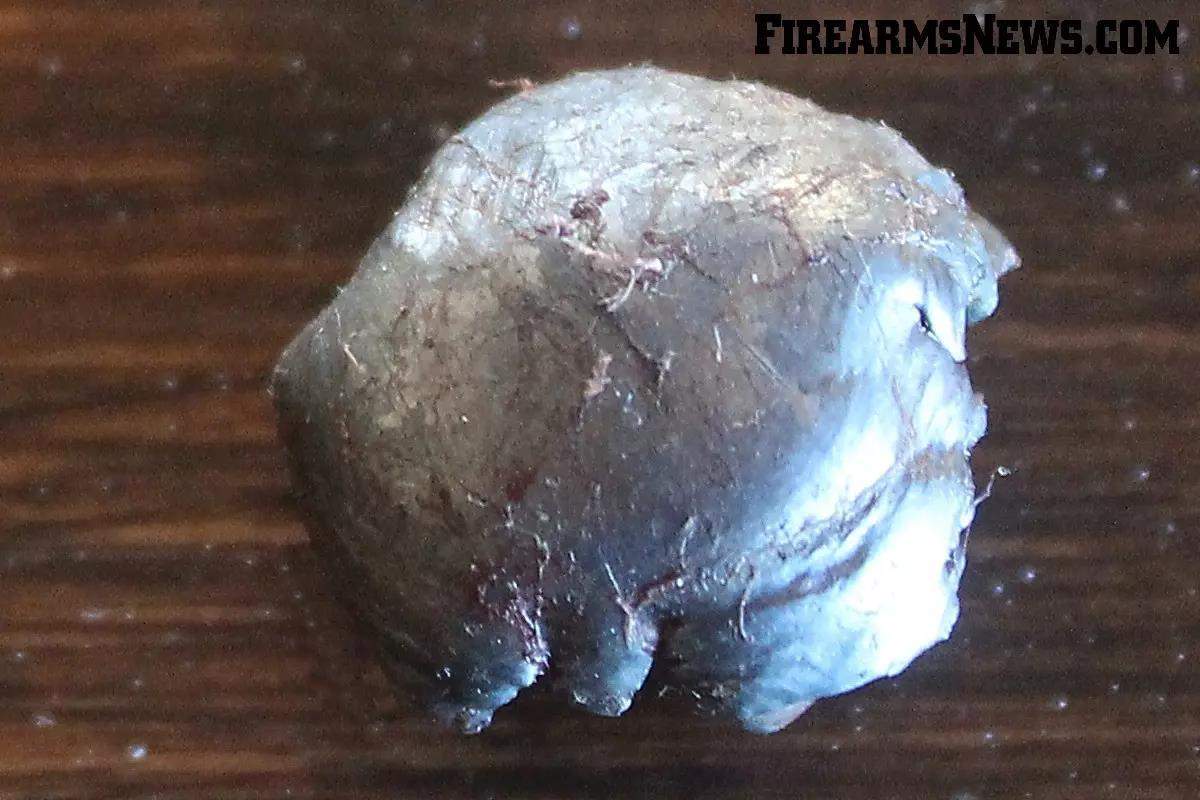
We caught an exceptional boar feeding on a flat and made a quick stalk. With a broadside presentation, Chub placed his shot in the center of the on-shoulder. The boar went straight down without a wiggle. The bullet broke both shoulders, exited the far side, and, to my knowledge, is still going.

Payton and I just looked at each other. Had that happened a year earlier, our story might have been more exciting. I didn't rush out and buy a 7mm-08, but I never forgot that awesome performance.
My two daughters, Brittany and Caroline, had no interest in hunting until, in their mid-teens, something flipped a switch and they decided to give it a try. A mild 6.5mm seemed like a good idea. Had the Creedmoor existed, I'd probably have started there, but both took their first animals, California hogs, with .260 Remingtons.
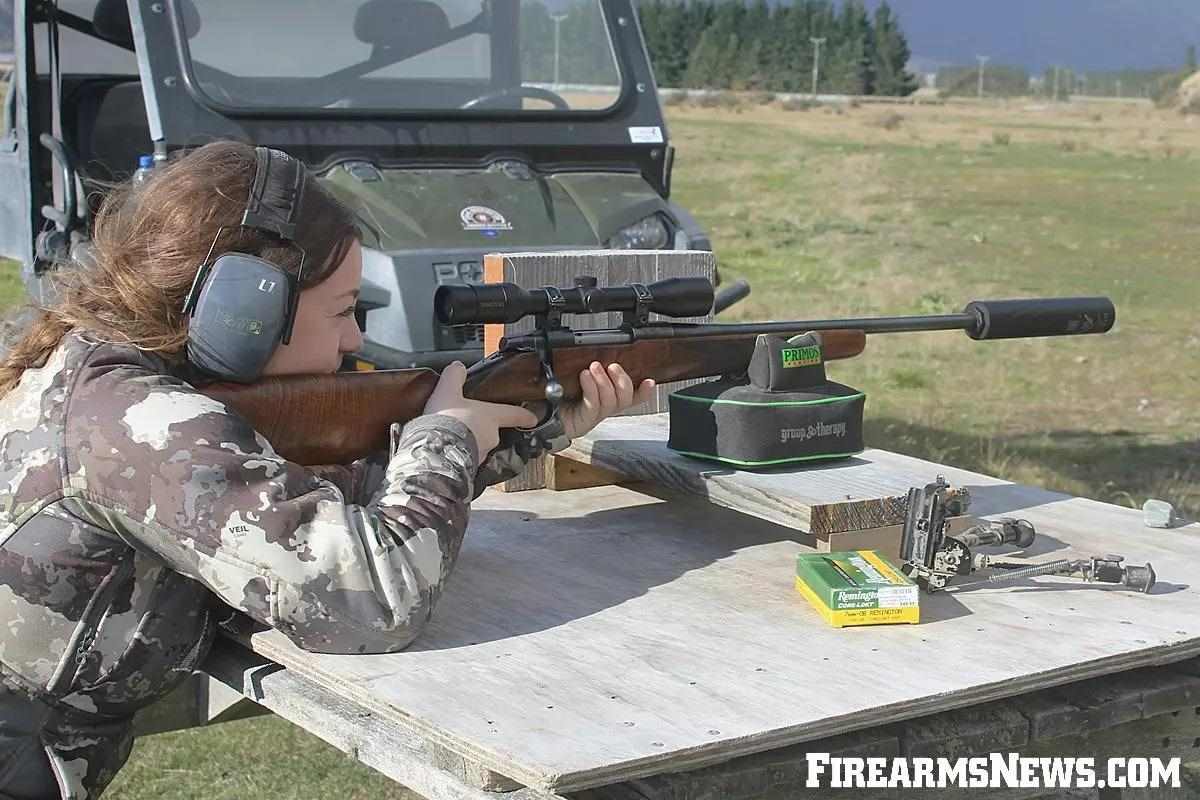
Two different rifles. Two shots. Two big hogs. The .260 worked fine, but it wasn't catching on and ammo was hard to find. Worse, despite the .260's reputation for accuracy, our rifles were finicky. I switched both girls to the 7mm-08. Neither ever looked back.
Brittany's 7mm-08 is a Kimber, still her go-to favorite, but not her only experience with the cartridge. Her company, She Hunts, runs hunting-skills camps for women. Brittany's standard issue for her camps is Weatherby Camilla rifles, stocked for women and chambered in 7mm-08. Lord knows how much game those rifles have taken.
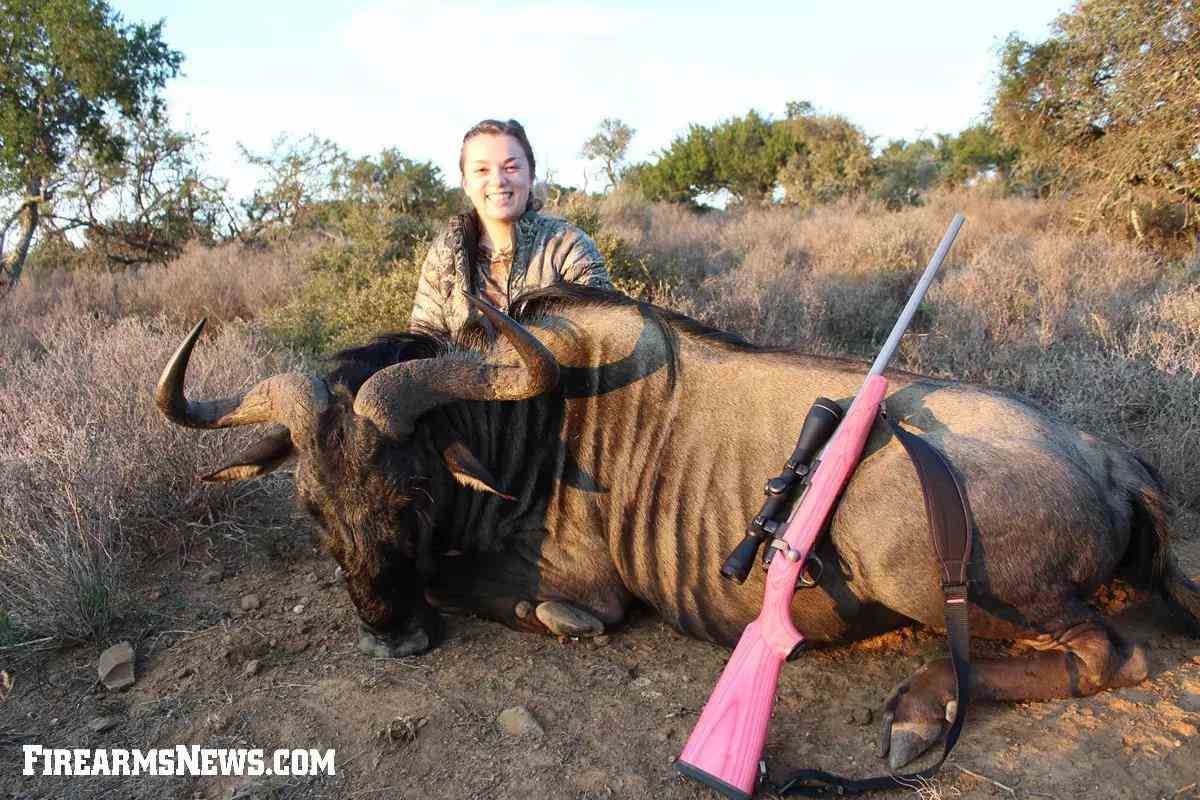
My younger daughter, Caroline, isn't tall, and nothing in the safe would fit her. She started with a borrowed Ruger youth-model .260. Mostly joking, she asked if she could have a pink rifle. I'd seen such a stock at the Ruger factory, so I got her an M77 .260 with the most awful hot-pink stock. I couldn't get it to group well, so I had it rebarreled to 7mm-08. Problem solved. Except for her first hog with a .260, she's taken all her game with 7mm-08s.
Because of its tradition, I'm more of a 7x57 fan. My wife, Donna, has a gorgeous Dakota 7mm-08. Since that's hers, I can honestly say I've never owned a 7mm-08, although I have three 7x57s.
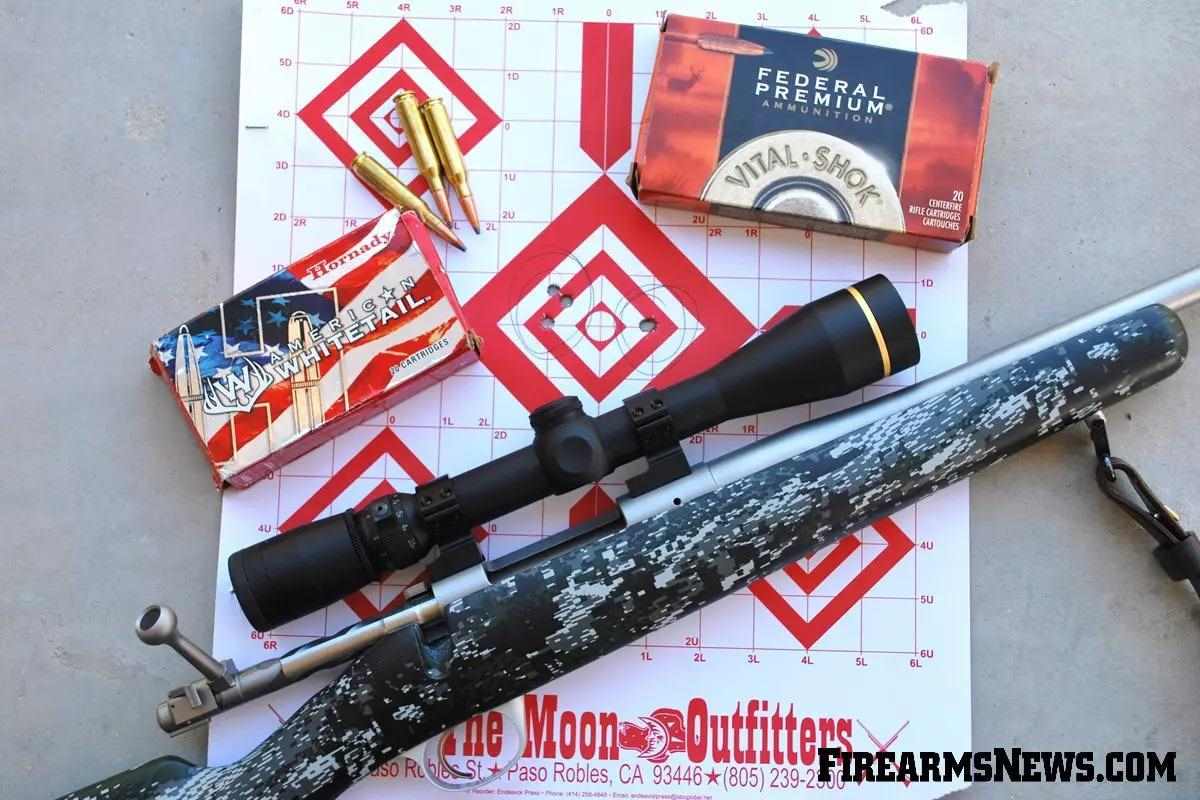
Take your pick. Both cartridges reach out far enough for most of us, punch above their weight class, and neither will kick you into next week. The 7x57 is now chambered in few factory rifles and supported by few remaining factory loads. The 7-08 is faster, shoots flatter, and fits into a short action.
Of the two, the 7mm-08 is the horse to ride and my consistent recommendation for a versatile, hard-hitting hunting cartridge with mild recoil. The only possible advantage the 7x57 might have is that, because it must be chambered in a longer action and traditionally has a faster twist, it might be better with the heaviest bullets.
Although never wildly popular, the 7mm-08 is a standard "also-ran"—never a bride, always a bridesmaid—but popular enough that it is widely chambered and everyone loads it. Accuracy is consistently good and often spectacular.
Factory loads are usually offered with 120-, 140-, and 150-grain bullets. Most of our hunting with 7x57s and 7mm-08s has been with 140-grain bullets. Sectional density (SD) is .248, about the same as a 165-grain .308. Good enough to ensure penetration on medium-sized game.
Both of my daughters have taken a wide range of African plains game, up to zebra, with their 7mm-08s and 140-grain bullets. No problems. I don't know why the 7mm-08 isn't better accepted. Today, its greatest competitor is probably the wildly popular 6.5 Creedmoor. With aerodynamic 6.5mm bullets, the Creedmoor is a better long-range target cartridge. The 7mm-08 is a better hunting cartridge.
With its short case, designed to house long bullets in a short action, the Creedmoor propels a 140-grain bullet at about 2,700 fps. With greater case capacity, the 7-08 runs a 140-grain bullet roughly 160 fps faster.

In velocity, energy, and recoil, there isn't much difference between a 140-grain .264-inch bullet at 2,700 fps and a 140-grain .284-inch bullet at the same velocity (7x57), or at the 7mm-08's faster 2,860 fps.Advertisement
However, I see a huge difference between how the .260 Remington and 6.5 Creedmoor perform on game, and how the 7x57 and 7-08 perform. The only major difference I can come up with is frontal area, bullet diameter. Just .020 inch (20 thousandths) between .264 and .284. However, this seems enough to make a visible difference in hitting power on game.
At closer ranges—with careful shot placement—these mild 6.5s and 7mms are elk-capable. On deer-sized game, all are excellent. On big deer, on up to elk and larger African plains game, I'm certain the 7-08 hits harder than the 6.5s.
For beginners, experts, or anyone in between, if you're looking for a great hunting cartridge that's accurate, effective, versatile, and easy to shoot, give some love to the 7mm-08.

Craig Boddington is one of today’s most respected outdoor journalists. He spent the past forty years exploring our natural world as a hunter and sharing his knowledge and experiences in dozens of books and through thousands of published articles and essays. He’s a decorated Marine, an award-winning author, and continues to be a leading voice for conservation and ethical hunting around the world.


